

Buying your first Dallas home becomes more manageable when you break the process into decisions you can make one at a time. These seven steps will help you build a realistic budget, compare financing, focus your search, and understand what happens after your offer is accepted.
1. Start with the Monthly Payment, Not the Listing Price
Before you scroll through Dallas listings, decide what you would feel comfortable spending each month. Your target payment should leave room for everyday expenses, savings, and the occasional surprise. A lender may approve you for more than you want to spend, so treat your personal budget and your loan approval as two useful but different guideposts.

Include more than principal and interest in your estimate. Property taxes, homeowners insurance, potential mortgage insurance, and homeowners association dues can change the monthly picture considerably. Utilities, maintenance, and repairs also deserve a place in the budget, even though they may not appear in a lender’s payment estimate.
Dallas-area properties can fall within different taxing jurisdictions, and assessments and insurance premiums vary by property. Ask for a current estimate rather than assuming the seller’s existing tax bill will match yours. If the home will be your primary residence, check eligibility and application requirements for a Texas residence homestead exemption with the appropriate appraisal district.
Two similarly priced homes can have noticeably different monthly costs when their tax rates, insurance premiums, or HOA dues differ. Compare the full payment before deciding which one fits.
2. Get Your Finances Ready for a Lender
Gather recent pay statements, tax documents, bank statements, and information about existing debts. A lender can explain which records apply to your circumstances and help you understand how income, credit, and available funds affect your options. Checking your credit reports early also gives you time to investigate any errors before you apply.
Set aside money for more than the down payment. Closing costs, inspections, an appraisal, moving expenses, and reserves for early repairs can all require cash. Some loan programs allow lower down payments, and assistance may be available to eligible buyers, but requirements and funding vary. Ask lenders about current programs and the tradeoffs associated with each one.
3. Compare Financing and Request Preapproval
A preapproval gives you a clearer price range and can help show sellers that you have started the financing process. It is not a guarantee of final loan approval: the lender will still review your financial information and the property. Ask what documentation has been reviewed and whether the preapproval has an expiration date.
Compare more than the advertised interest rate. Ask lenders about loan types, estimated fees, points, mortgage insurance, and how long a quoted rate can be locked. Once you have an accepted offer and apply for a loan, review the Loan Estimate carefully and ask questions about any costs you do not understand. Avoid taking on significant new debt or making large unexplained transfers without first discussing them with your lender.
4. Turn Your Wish List into a Dallas Search Plan
Now comes the enjoyable part: deciding what you want your home and daily routine to look like. Separate essentials from preferences. An essential might be a specific number of bedrooms, a manageable commute, or a layout that accommodates a home office. A preference might be a large patio, updated finishes, or proximity to a favorite park.
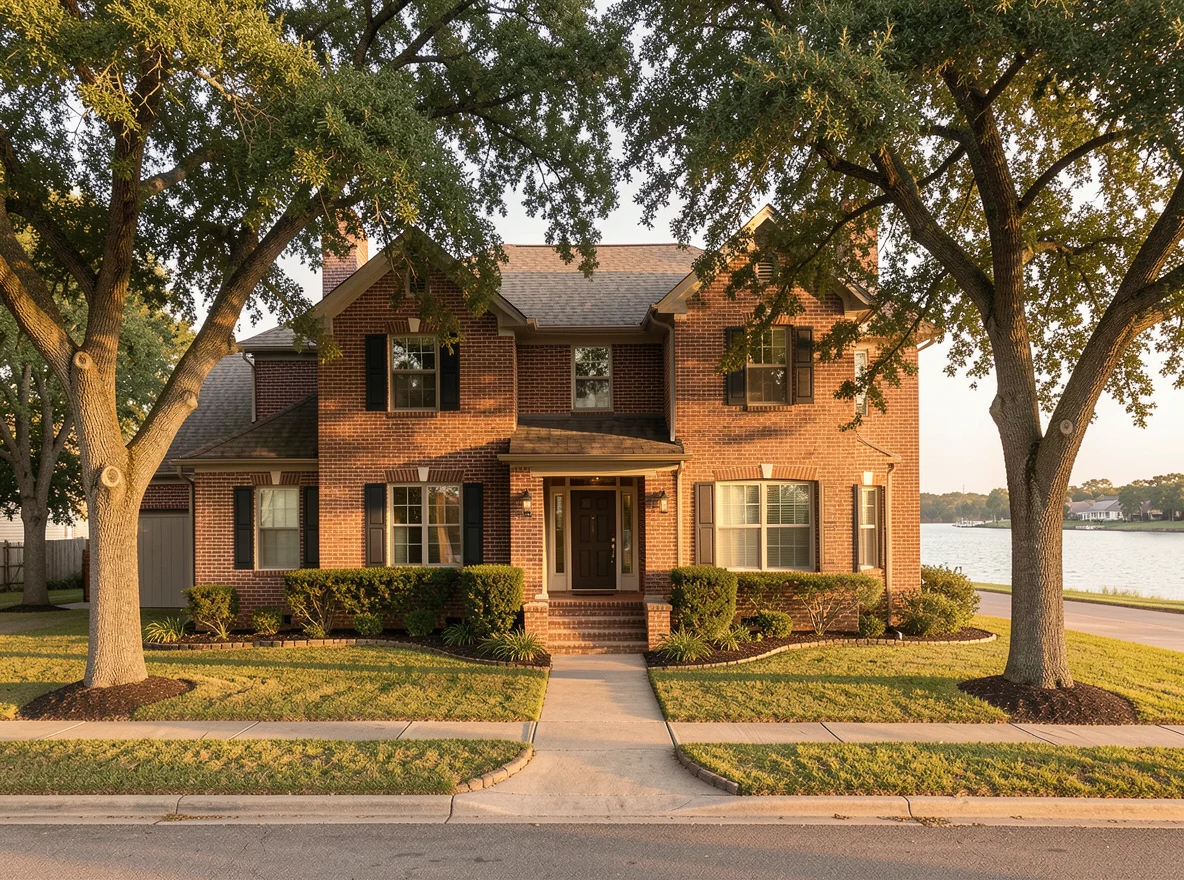
Dallas offers a range of housing styles and settings, from established residential streets to condos and newer construction. Explore how location affects your priorities: test a commute at the time you expect to travel, look at access to DART routes if transit matters to you, and make time to visit nearby parks, dining areas, and everyday services. If schools are important to your search, verify attendance boundaries and program information directly with the relevant district.
Look beyond listing photos when comparing homes. Consider the age and condition of major systems, the amount of outdoor upkeep, parking, and any HOA rules or fees. A home that needs cosmetic updates may be worth considering if its location and layout meet your needs, but estimate the work before assuming it will fit your budget.
5. Choose Representation and Tour with a Plan
A real estate professional can help you interpret local information, arrange showings, compare properties, and navigate the steps from offer to closing. Before working together, ask about the services provided, the terms of any written representation agreement, and how compensation will be handled. Compensation and agreement terms are negotiable.
For each showing, bring the same short checklist so that details do not blur together. Note natural light, storage, room dimensions, visible wear, and questions about recent repairs. Take photos if permitted, and revisit your budget before becoming attached to a home that stretches it. Your agent can also help you review comparable sales, though past sales do not guarantee what a seller will accept.
Texas Ranch Sales LLC combines residential guidance with experience in probate and inherited-property transactions. If you encounter an estate sale, ask early about the seller’s authority to transfer the property and any documentation or timing issues that may affect the transaction. An agent can help identify questions to take to the appropriate legal or title professional.
6. Understand the Offer Before You Sign
An offer is more than a price. It can include financing and appraisal provisions, a proposed closing date, earnest money, and an option period for inspections or other due diligence. Review the applicable Texas contract forms with your agent and make sure you understand which deadlines apply, how payments must be delivered, and what rights you have if concerns arise.
Once an offer is accepted, schedule inspections promptly and read the reports with care. An inspector may flag items ranging from routine maintenance to issues that warrant evaluation by a specialist. You can discuss possible repairs, credits, or other responses with your agent, but the seller is not obligated to agree. If you need to terminate under a contractual right, follow the contract’s notice requirements and deadlines.
The option period is a time-sensitive opportunity to investigate the property. Know its deadline and arrange inspections early enough to review the results and decide what to do.
7. Prepare for Closing and Your First Months at Home
After the inspection phase, stay in touch with your lender and respond promptly to requests for updated documents. The lender will complete its underwriting process, and the title company will work through the title and closing requirements. Review the Closing Disclosure, confirm the funds you need, and independently verify wiring instructions with the title company using a trusted phone number before sending money.
Schedule a final walkthrough to check the property’s condition and confirm any agreed-upon items have been addressed. After closing, keep copies of your documents, update your address and utilities, and make a plan for routine maintenance. Buying a home is a series of decisions, not a test you have to ace all at once. With a thoughtful budget, the right questions, and support when you need it, you can move through the Dallas market with a clearer sense of what comes next.